#The Gate That Would Not Close
Contents
Canon + Campaign Module. Defines the core world-building premise of ex3.
#Scent — The Age of the Crack
The gates of the Warring States opened on the battlefield. The gates of Edo open between the water-smell of a well, the red powder behind a stage, and names erased from a ledger. They appear closed not because the gates have grown smaller, but because people have learned not to look at them.
#Law — Operating Spirit Gates
- Spirit Gates are not fully closed. However, the default is a scale the shogunate can conceal and manage.
- A gate attaches to places, names, records, objects, and grudges. Treat it as an incident structure rather than a simple battlefield crack.
- Defining conditions under which a gate grows will raise the campaign's crisis level naturally.
#Scene Commentary — Small Gates Last Longer
The Spirit Gates of the Warring States were disasters anyone could recognize. Edo's gates are not. They attach to things people pass by every day — wells, bridges, stages, ledgers, family tombs. That is why Spirit Gates in this era are closer to the cause of an incident than to a battlefield device.
It is better for the GM not to place a Spirit Gate only as a "portal on a map." Decide why it is still there, who maintained it, why the maintenance failed, and who hid the failure — and that is already a scenario. The smaller the gate, the more people are involved. Everyone has been covering it just a little.
When creating an Edo Spirit Gate, decide:
- What place or object does the gate attach to?
- Did the shogunate or a local organization know about it?
- Whose interests disappear when the gate is closed?
#Session Application — Tying a Gate to an Incident
- First scene: attach small, repeating anomalies to an everyday place — a well, bridge, stage, or cemetery.
- Complication: the way to close the gate is clear, but closing it also disrupts the lives of those who have been surviving by using it.
- Closing question: Is this gate a disaster, or is an old wound still reaching out to speak?
#Models by Era
| Era | Spirit Realm Model |
|---|---|
| Heian | Faint gates scattered everywhere |
| Warring States | Gates torn wide by war and blood |
| Edo | Gates managed through administration and concealment |
#Edo's Gates
Edo's Spirit Gates are not as blatant as battlefield cracks. They usually attach to names, places, and records. An old well, a relocated shrine, a forbidden famous blade, a manor where someone dies on the same date each year, a riverside that never held a proper funeral, a Kaidan that repeats in the same theater — these become gates.
The shogunate cannot close these gates. Instead it manages them. It records where they are, delegates them to temples and shrines, holds domains responsible, and sends Kagura Domain or a secret Exorcism unit when necessary. This is not complete victory — it is ongoing maintenance.
#How the Three Eras Differ
The Heian gate is a faint interface where humans and yoma walk the same road. Nobles try not to look, but the night roads, the court, and the mountain temples already touch the Spirit Realm.
The Warring States gate is a wound torn open by war. Blood, rage, hunger, betrayal, graves, and burnt castles push the gate open, and yoma appear as enemies on the battlefield.
The Edo gate is a hidden administrative problem. The shogunate does not acknowledge it, and manages it by not acknowledging it. That is why the conflict in an Edo campaign begins not with "are there yoma" but with "who knows that fact, and who is using it."
#Conditions That Grow a Gate
Edo's gates grow under the following conditions.
- When an old grudge is publicly denied.
- When the maintenance of a shrine or temple lapses.
- When famous blades or yoma artifacts are sold on the market.
- When the Hundred-Tale Society deliberately gathers fear.
- When human conspiratorial factions use a seal as experimental material.
- When the shogunate buries an incident so deeply that even the path to purification is blocked.
Gates open without war. Only the reason has changed — from battlefield blood to city rumor and documents.
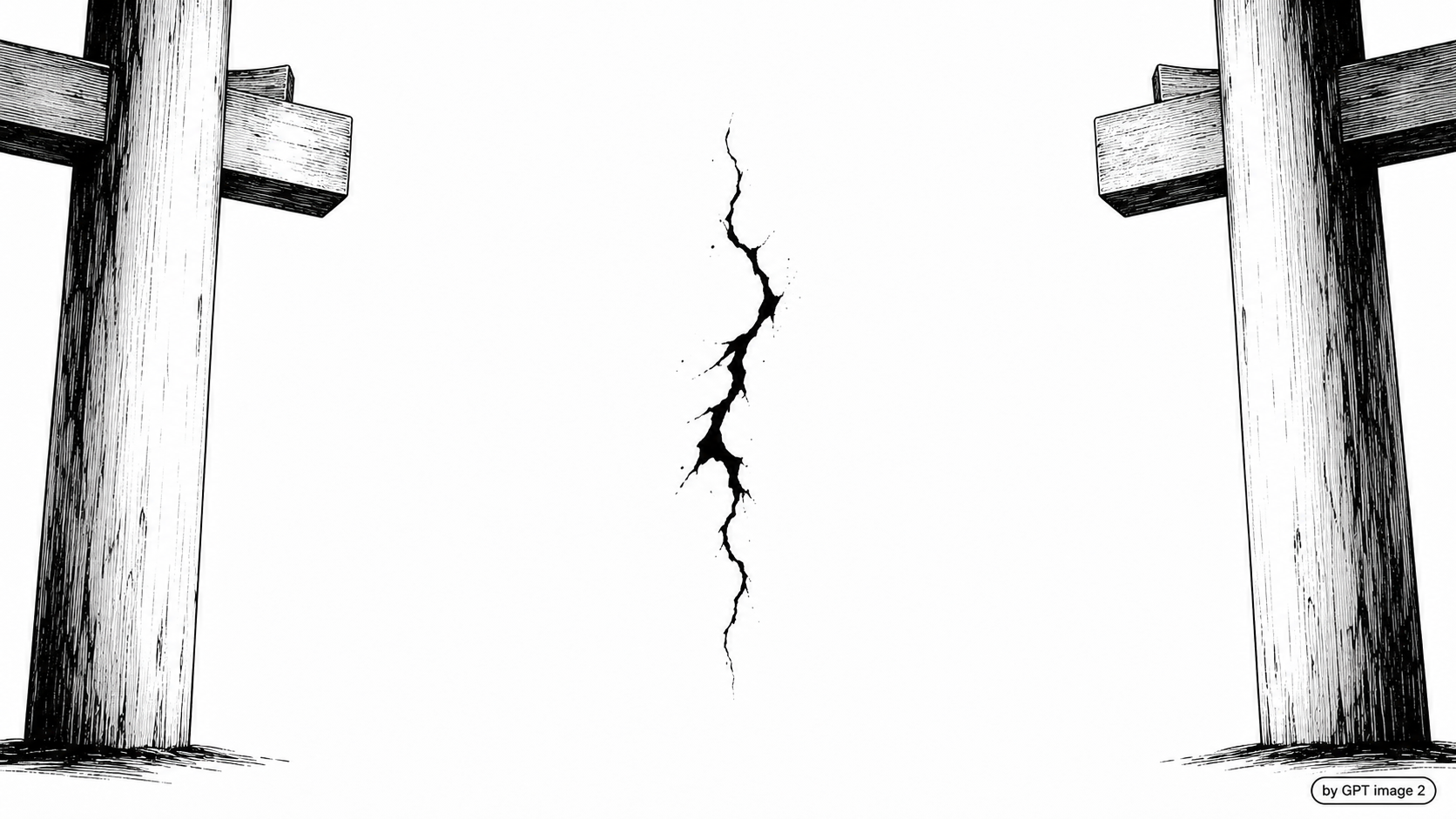
"The gate has never been closed. Edo merely pressed paper into the crack and stamped it with an official seal."